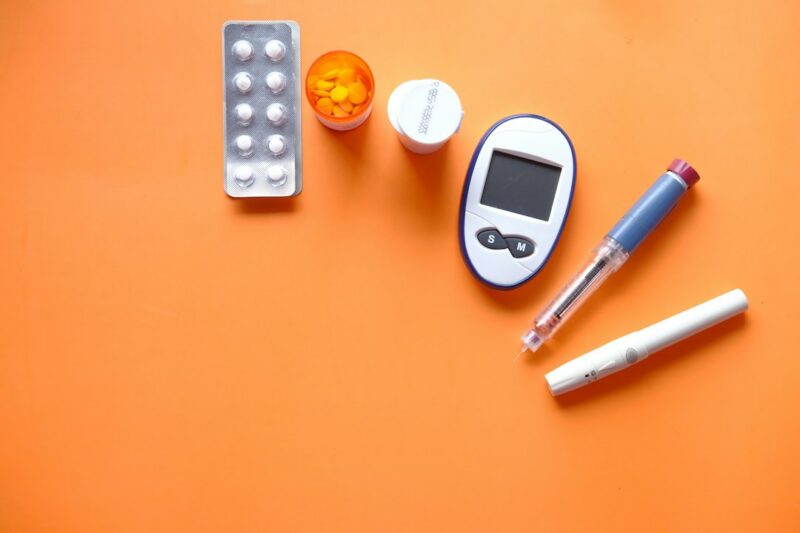
Diabetes Classification and Long-Term Treatment Concerns
Published: 29/10/26 By: Will Angood
Current case – anonymised account. The following concerns were recorded in an accepted enquiry. They are allegations, not findings of medical negligence. The claim has not been won.
What happened?
A patient reports receiving insulin for a diagnosis of type 1 diabetes for approximately nine years, during which they experienced difficulties controlling blood glucose, weight gain, headaches and rashes.
What happened next?
After moving GP practices, further testing reportedly resulted in a diagnosis of type 2 diabetes and a change of medication. The patient reports improved blood glucose control and wellbeing after the change.
How the claimant was affected
The claimant reports years of treatment under one diabetes classification and a change in medication following a later review. They describe improvements after the change and want to understand whether earlier reassessment was warranted.
What needs investigating?
Specialists would need to review the original diagnostic evidence, subsequent monitoring and whether the earlier classification or treatment fell below reasonable clinical standards and caused avoidable harm.
Potential value of the claim
Illustrative general damages if negligence and causation are proved: £3,000–£20,000+. This assumes expert evidence establishes an incorrect diagnosis or inappropriate treatment causing additional symptoms over a prolonged period. It excludes the underlying diabetes. This is not a case-specific valuation or a predicted settlement. A specialist solicitor would need independent medical evidence about the standard of care, causation, severity and duration of any additional injury. Proven earnings losses, treatment costs and care needs may be considered separately. No compensation is guaranteed; the claim could be worth £0.
How Medical Negligence Consultants can help
Medical Negligence Consultants can arrange a confidential initial assessment and, where appropriate, introduce the case to a specialist medical negligence solicitor from its panel. The solicitor can investigate the medical records, obtain independent expert evidence and explain any available No Win No Fee arrangement, including potential fees and deductions.
People with similar concerns can contact our team for an assessment.